
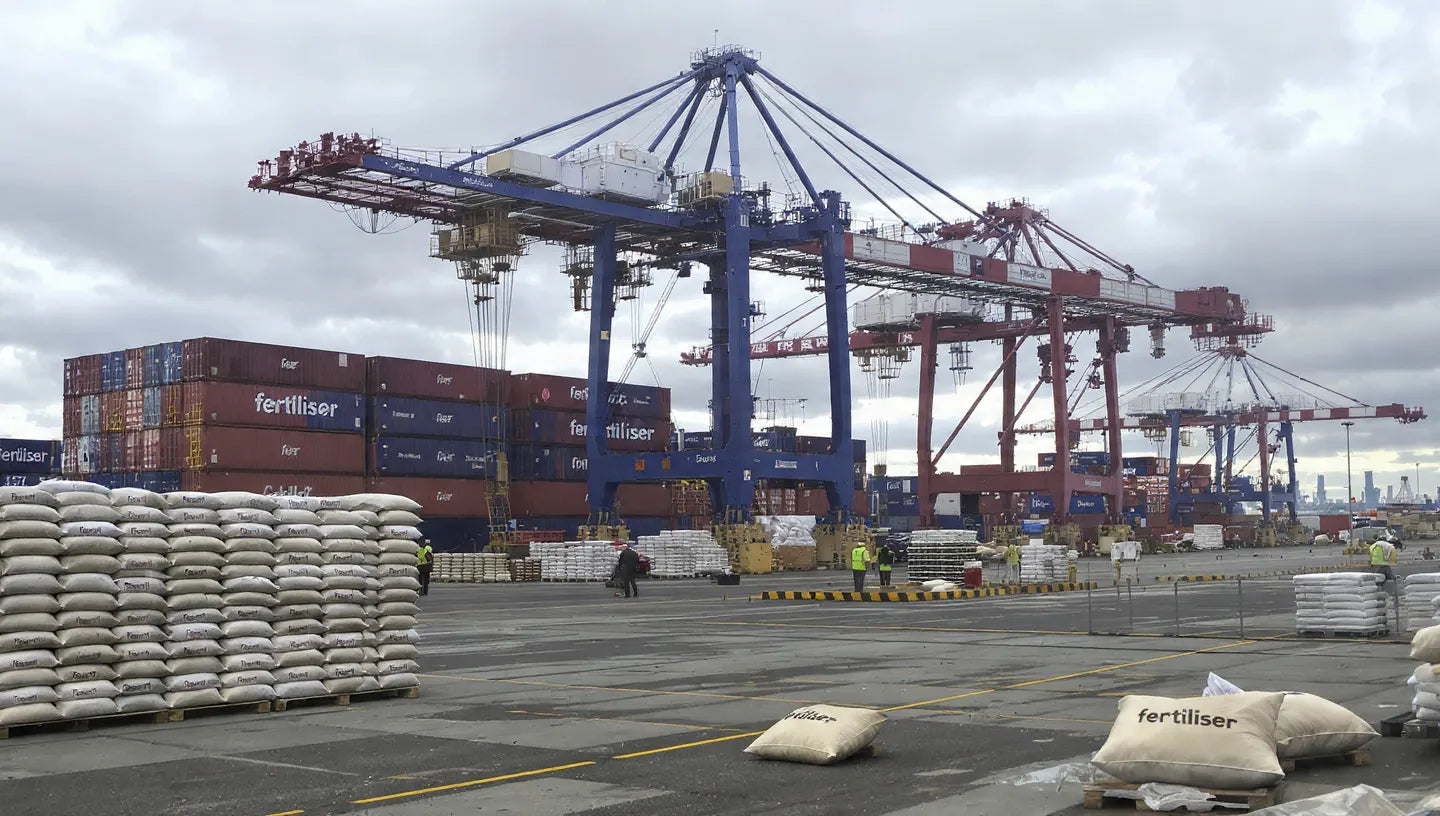
Europe Reduces Russian Gas But Remains Dependent on Its Fertiliser Supply
Europe’s push to economically isolate Russia has sharply reduced Moscow’s access to the EU energy market — yet one critical sector remains deeply intertwined. While the bloc has committed to eliminating all Russian natural-gas imports by September 2027, European ports continue to receive significant volumes of fertiliser produced using the very gas Europe is phasing out.
The irony isn’t lost on policymakers: Moscow earns far less from fertiliser than from gas pipelines, but Europe’s agricultural system remains indirectly connected to Russian energy. This continued dependence risks undermining food-security goals and complicates the EU’s attempt to weaken Kremlin revenues.
Russian Fertiliser Imports Rise Despite Declining Gas Purchases
Although pipeline and LNG shipments have plummeted since the war began, imports of gas-derived fertilisers - especially nitrogen-based products - have not followed the same downward trajectory. For some categories, Europe is buying more than it did before the conflict.
For farmers already grappling with inflation and erratic global supply chains, Russian fertiliser offers affordability and availability. But for European leaders, each shipment represents a loophole that weakens the impact of sanctions aimed at curbing Russia’s financial capacity to continue its military operations.
Tariffs Have Risen, But May Not Change Market Behaviour
The EU has attempted to address this contradiction by imposing rising tariffs meant to make Russian fertiliser uncompetitive. However, early assessments suggest the measures may not achieve the desired outcome.
Several challenges persist:
-
Fertiliser remains essential for Europe’s agricultural sector
-
Russian producers continue offering lower prices than competitors
-
Many EU buyers prioritise stable supply, especially after last year’s shortages
As a result, Europe may find itself in a long transition period where, despite political goals, market pressures keep Russian fertiliser flowing in.
Food Security and Strategic Autonomy Still at Crossroads
European analysts warn that continuing reliance on Russian fertiliser creates a structural vulnerability. Even if gas imports end in 2027, dependence on gas-derived agricultural inputs leaves Europe tied to the same supply chain it seeks to escape.
Achieving real strategic autonomy may require:
-
Expanding domestic fertiliser manufacturing capacity
-
Strengthening partnerships with alternative suppliers
-
Incentivising greener production technologies
-
Reducing long-term dependence on nitrogen-heavy fertiliser systems
Until then, Europe faces a delicate balancing act: punishing Russia economically while protecting its farmers from price shocks and supply shortages.
Geopolitical uncertainty often pushes businesses to diversify operations and explore globally stable jurisdictions. If your organisation is considering expansion in a tax-efficient, internationally connected location, explore how to start a business in Dubai legally with expert compliance support: Shunyatax Global Services
📰 News Summary
Europe Reduces Russian Gas But Remains Dependent on Its Fertiliser SupplyEurope’s push to economically isolate Russia has sharply reduced Moscow’s access to the EU energy market — yet one critical sector remains deeply intertwined. While the bloc has...

Share:
Punjab CTD Foils Major Terror Plot, Arrests 24 Militants Across Multiple Districts
FTC Rejects Bid to Lift Surveillance Ban on Spyware Founder Scott Zuckerman