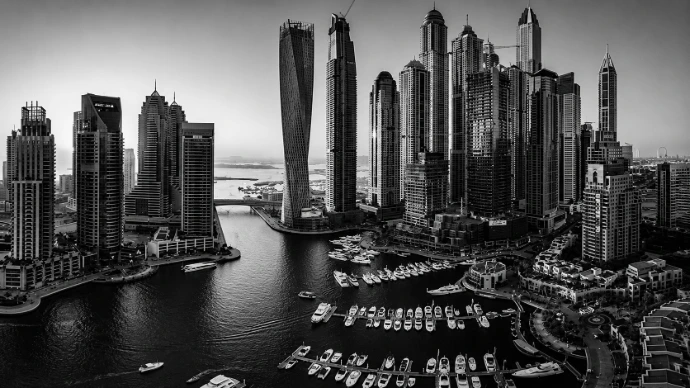
Kratika Solanki 'Every visitor who experiences Dubai is a potential future resident, business owner or investor': Issam Kazim Start writing here...Dubai Tourism Emerges as a Powerful Driver of Investment, Entrepreneurship and Long-Term Growth Dubai is increasingly transforming tourism into a long-term economic growth engine,...
Kratika Solanki US carriers spent $6.5 billion on fuel in April, global profit forecast is cut nearly in half Start writGlobal Airline Profits Under Pressure as Jet Fuel Costs Surge Amid Oil Market Disruptions Airlines across the world are facing mounting financial pressure as rising fuel prices continue to i...
Kratika Solanki Dubai Court Dismisses Dh169 Million Ownership Claim, Rules Shareholding Was Only For Sponsorship Purposes A Dubai court has rejected a commercial dispute involving claims worth more than Dh169 million after determining that the claimant's registered ownership in multiple businesses existed only for sponso...
Kratika Solanki AI stocks rebound as oil and gold fall on Middle East ceasefire hopes Start writingAI Stocks Rally as Oil and Gold Retreat Amid Hopes of Middle East De-Escalation Global financial markets showed renewed optimism on Tuesday as investors shifted back toward growth-focused...
Kratika Solanki Indian rupee, Pakistani rupee and Philippine peso stay soft, lifting dirham value for expats. Should you remit now? Start writing here...UAE Expats Gain as Indian Rupee, Pakistani Rupee and Philippine Peso Remain Weak Against Dirham UAE-based expatriates continue to benefit from favorable currency exchange trends a...
Kratika Solanki UAE gold prices slip from June peak, but is now the right time to buy? Start writing heDubai Gold Prices Stay Below June Highs as Buyers Watch Market for Next Move Gold prices in Dubai recorded a modest increase on Tuesday morning, but rates remain noticeably lower than ...
Kratika Solanki UAE Expands VAT Refund Scheme for Citizens Building New Homes in 2026, Wider Construction Costs Now Covered The UAE has expanded its value-added tax (VAT) refund scheme for citizens constructing new homes, allowing a broader range of residential expenses to qualify for refunds from 2026. The move is aimed a...
Kratika Solanki Trump says Iran ‘ready’ for nuclear deal; US Apache crashes near Strait of Hormuz Start wrTrump Says Iran Ready for Nuclear Deal as Tensions Ease in West Asia A temporary calm has returned to West Asia after Iran and Israel halted a series of military exchanges that had raised conc...
Kratika Solanki Abu Dhabi Judicial Department Expands AI Use To Modernise Court And Public Services The Abu Dhabi Judicial Department (ADJD) has unveiled a series of new artificial intelligence projects aimed at enhancing judicial procedures and improving the delivery of public services across the e...
Kratika Solanki West Asia war LIVE: Trump says in 'final throes' of West Asia peace deal Start writing here...Trump Says West Asia Peace Deal Could Be Reached Within Days as Iran-Israel Fighting Pauses A fragile calm has returned to West Asia after Iran and Israel indicated that recent ho...
Kratika Solanki Sam Bankman-Fried Seeks Presidential Pardon From Donald Trump in Major Crypto Fraud Case Former FTX founder Sam Bankman-Fried, once considered one of the most influential names in the cryptocurrency industry, has officially applied for a presidential pardon from US President Donald Trump....
Kratika Solanki India’s Traditional Crime Rate Falls 6% as Cybercrime Cases Cross 1 Lakh: SBI Study Highlights Economic Impact India's internal security landscape is undergoing a major transformation. A recent study by the country's largest public sector bank has revealed that conventional crime rates have declined significan...