
Location: Dubai / Switzerland / London | Category: Wealth Migration & Global Tax Policy
By Shunyatax Global News Desk | Date: November 28, 2025
A Billionaire Exit: What Triggered Lakshmi Mittal’s Move?
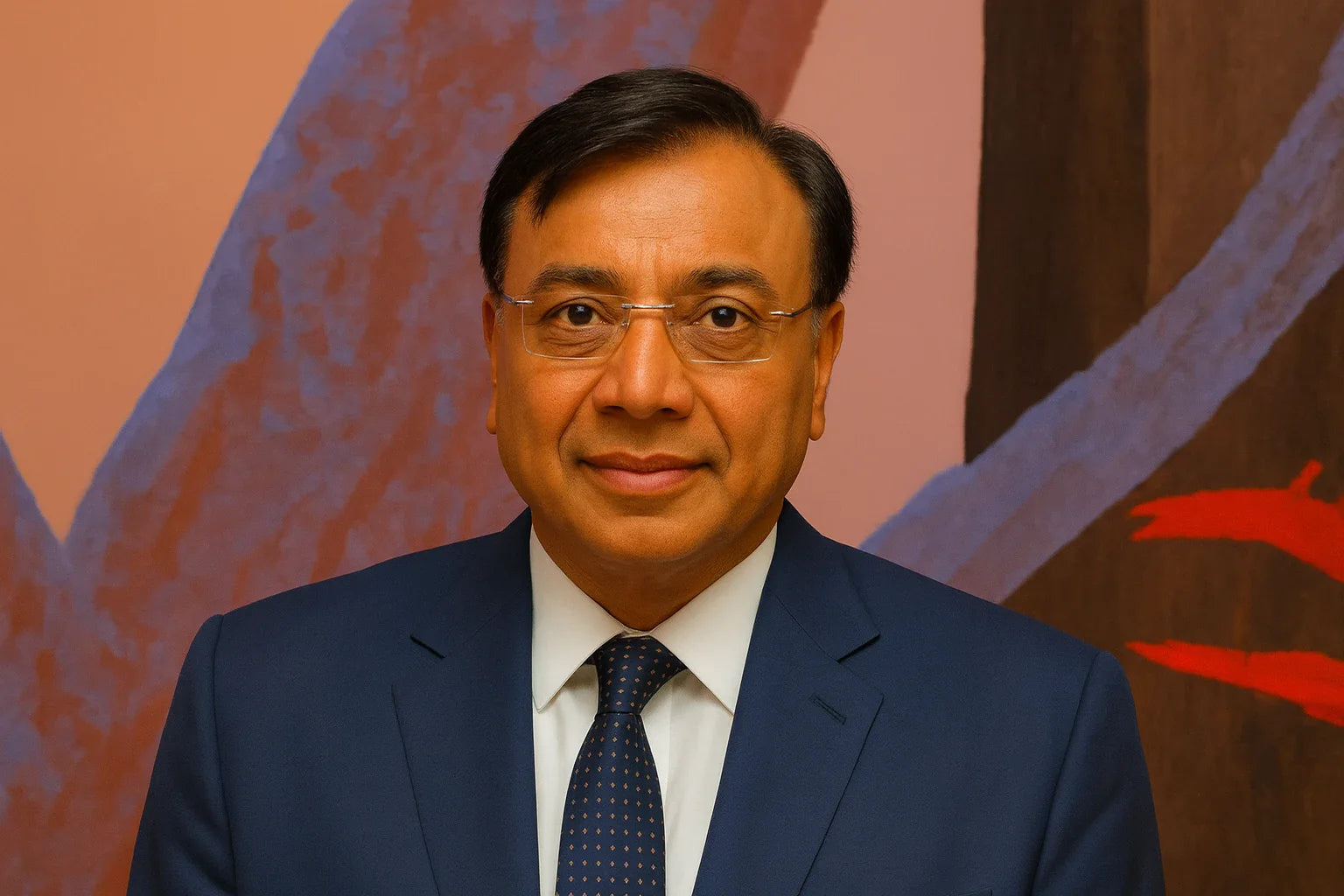
Lakshmi Niwas Mittal — Chairman of ArcelorMittal and one of the world’s most influential steel magnates — has begun a formal transition out of the United Kingdom after nearly three decades of residency. His decision to shift primary personal and financial operations to Dubai and Switzerland marks one of the most high-profile exits linked to the UK’s newly introduced tax regime for the super-rich.
Mittal had been a fixture of Britain’s wealth landscape since the mid-1990s. He owned London’s most expensive private residence on Kensington Palace Gardens, contributed to charities, and remained among Britain’s richest with an estimated £15–16 billion net worth. However, the political and fiscal environment in the UK has shifted dramatically in 2025.
UK Tax Reforms: The Breaking Point for HNWIs
The UK’s new tax overhaul — aimed at tightening rules for global billionaires residing in Britain — is widely cited as the core reason behind Mittal’s departure. The most controversial elements include:
- Abolition of the non-domicile (non-dom) tax status, which allowed wealthy foreigners to avoid taxes on overseas income.
- Proposed inheritance tax on global assets, potentially impacting billionaire estates for the first time.
- Speculated “wealth tax” and exit-tax structures targeting the ultra-rich.
- Capital gains tax tightening on offshore asset disposals.
For global entrepreneurs like Mittal, who hold complex multinational assets, these changes significantly increase tax liability and bring reporting and compliance burdens that many consider unsustainable.
Why Dubai’s Naia Island? The New Billionaire Magnet
In contrast to the UK’s tightening fiscal framework, Dubai — specifically the ultra-luxury Naia Island — offers an opposite model: zero income tax, zero inheritance tax, confidentiality, and long-term investor residency.
Naia Island, one of Dubai’s most ambitious private-island developments, has emerged as a hotspot for global billionaires in 2025. Built with standalone beachfront villas, private marinas, elite security, and ultra-exclusive zoning, it serves as both a residence and a wealth-protection hub.
Mittal is reportedly among the first wave of ultra-high-net-worth residents securing space on the island. The attraction is not merely luxury — Dubai’s tax ecosystem is structured to ensure generational wealth preservation without the heavy compliance burdens found in Western tax regimes.
Switzerland: The Second Pillar of Mittal’s Relocation Strategy
While Dubai offers tax neutrality and lifestyle, Switzerland offers regulatory sophistication, financial stability, and structured wealth-planning frameworks. Reports indicate that Mittal’s family office will continue operating from Switzerland, where lump-sum taxation and investor-friendly structures provide predictability.
Combining Dubai’s tax benefits with Switzerland’s family-office ecosystem creates a strategically optimized dual-base for wealth preservation — a model increasingly adopted by billionaires leaving the UK, France, and Germany.
A Broader Trend: The Wealth Exodus from Europe
Mittal’s exit is part of a larger pattern: multiple Indian-origin business leaders, tech founders, hedge fund managers, and international entrepreneurs have quietly begun relocating from the UK amid fears of rising fiscal pressure.
Economic analysts refer to this as the “2025 Wealth Migration Wave,” driven by taxation—not lifestyle. Data shows applications for UAE Golden Visas, Swiss lump-sum taxation arrangements, and Monaco residency have increased sharply since mid-2024.
Economic & Policy Implications: A Signal to Western Governments
Mittal’s departure should serve as a cautionary sign for Western economies: high-tax jurisdictions risk losing top-tier wealth creators who contribute significantly to capital inflow, philanthropy, and local employment.
When fiscal policy becomes unpredictable — inheritance taxes, wealth taxes, exit levies — global capital seeks safer, more stable environments. Dubai and Switzerland are positioning themselves as these safe harbors.
Shunyatax Global Insight: The New Rules of Wealth Mobility
At Shunyatax Global, we observe that global wealth is not only increasing—it is rapidly migrating. High-net-worth individuals (HNWIs) prioritize:
- Stable tax policy and predictable fiscal rules
- Efficient cross-border financial structures
- Asset-protection frameworks for family wealth
- Residency jurisdictions with transparency and safety
For individuals planning global relocation, strategic tax planning, structured residency, and multi-jurisdiction asset compliance are critical.
For expert advisory on cross-border tax planning, global wealth mobility and residency structuring, visit Shunyatax Global.

Share:
Texas Buys $5M of Spot Bitcoin ETF IBIT in First State-Level BTC Move
Puducherry College Becomes Hub in ₹90 Crore Cyber-Fraud Bust