
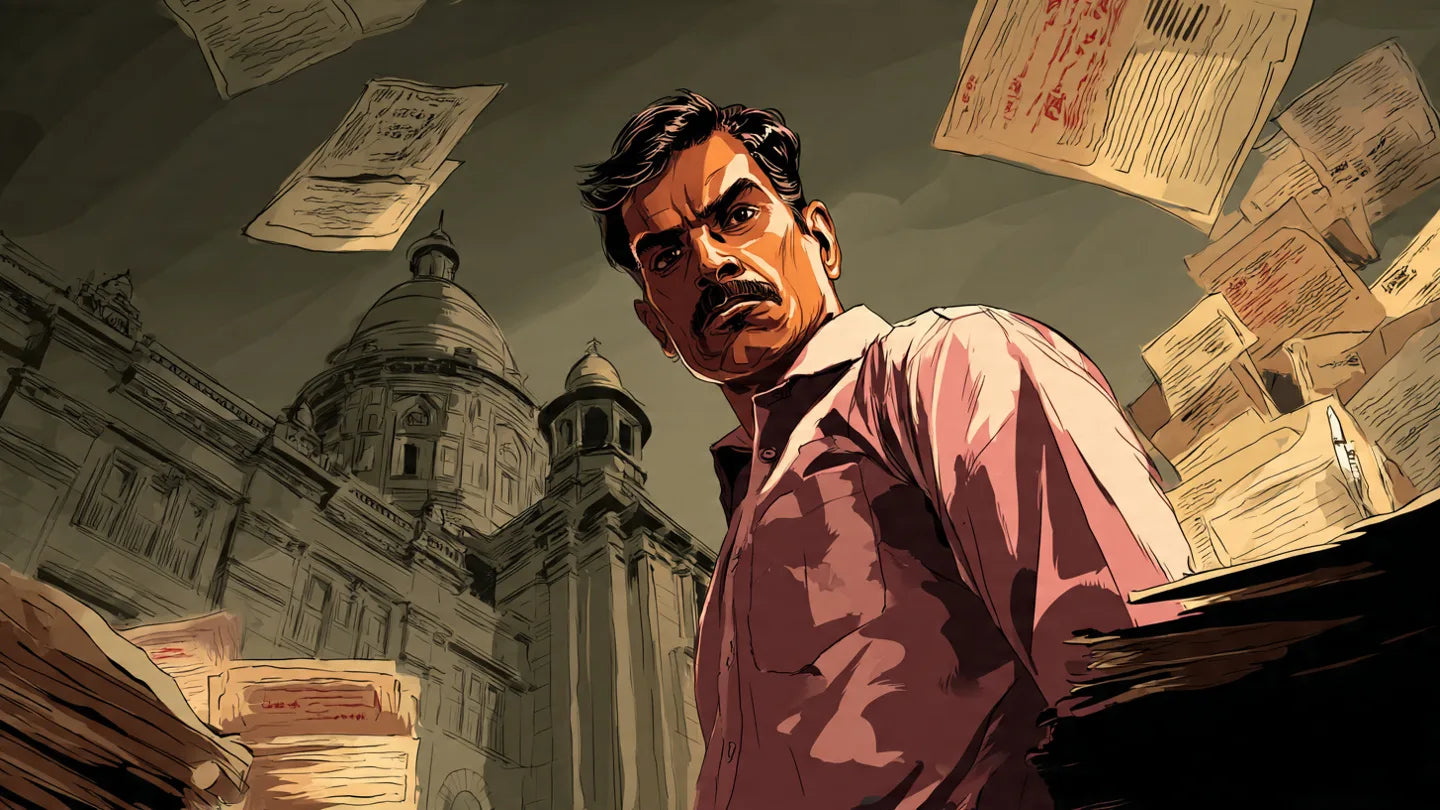
New Delhi: Once regarded as one of Uttar Pradesh’s most brilliant and uncompromising bureaucrats, IAS officer Pradeep Shukla’s name is today inseparable from one of India’s most infamous administrative scandals. A 1981-batch IAS officer who secured All India Rank 1 in the UPSC examination, Shukla’s career trajectory was a textbook example of merit - until it unravelled amid allegations linked to the ₹5,700-crore National Rural Health Mission (NRHM) scam.
His story reflects not just individual failure, but the dangers that arise when intelligence, authority and institutional power operate without effective accountability.
From Modest Origins to UPSC Rank 1
Born into a middle-class family, Pradeep Shukla demonstrated academic excellence early in life. He completed his Master’s degree in Physics from Allahabad University with top honours, earning a reputation among teachers as a disciplined and deeply analytical thinker.
In 1981, he achieved what few aspirants manage—securing Rank 1 in the Civil Services Examination. Allocated the Uttar Pradesh cadre, he entered service in 1983 as a Sub-Divisional Magistrate (SDM). Over the years, colleagues described him as exceptionally sharp, intensely private, and unconventional in work habits—often working late nights and operating largely outside standard bureaucratic rhythms.
Power and the Turning Point
Between 2009 and 2011, Shukla occupied two of the most influential positions in the state’s health administration: Principal Secretary, Family Welfare, and Mission Director of the NRHM. The mission, designed to strengthen rural healthcare infrastructure, handled massive public funds and required strict administrative discipline.
Investigations later suggested that during this period, internal checks weakened significantly. Procurement decisions, fund disbursement, and administrative approvals became highly centralised—placing extraordinary authority in a single office.
Administrative Breakdown and Red Flags
Data emerging after the scandal pointed to systemic collapse:
-
Oversight meetings under the District Health Societies dropped sharply
-
Recruitment of frontline health workers stalled completely
-
Child immunisation coverage declined despite rising budgets
With Shukla simultaneously heading executive and monitoring bodies, the absence of independent scrutiny created conditions where irregularities could flourish—highlighting the importance of structured financial review systems similar to those emphasised in professional auditing services in India, where separation of authority and verification are core safeguards.
Murders, Money and the CBI Probe
The scandal exploded into public view in 2010–11 after the murders of two Chief Medical Officers in Lucknow—both linked to NRHM-related financial decisions. The gravity of the situation forced the state government to hand over the investigation to the Central Bureau of Investigation (CBI).
The CBI uncovered a sprawling network of forged bills, inflated contracts and alleged kickbacks involving officials, contractors and intermediaries. In April 2011, Pradeep Shukla was removed from office, arrested, and produced before a CBI court in Ghaziabad on charges including criminal conspiracy and corruption.
He was granted bail on medical grounds by the Supreme Court in 2015, followed by conditional relief in 2017, which required the deposit of ₹72 lakh.
Family, Influence and Lingering Controversy
Members of Shukla’s family were also part of India’s administrative ecosystem, a factor that once symbolised institutional continuity and privilege. Over time, however, separate disputes and controversies further eroded the moral authority once associated with the name.
What had been seen as a lineage of public service gradually became overshadowed by allegations, court proceedings and unanswered questions.
A Cautionary Tale for Indian Governance
The rise and fall of IAS Pradeep Shukla is now frequently cited in governance discussions as a warning against unchecked power. His journey underscores a hard truth: intellectual brilliance cannot compensate for the absence of accountability.
More than a personal downfall, the NRHM episode exposed systemic weaknesses—where concentration of authority, weak oversight and institutional silence allowed corruption to thrive. For India’s administrative framework, the “Pradeep Shukla case” remains a reminder that integrity, not rank or intellect, is the ultimate foundation of public service.

Share:
ED Raids 40 Locations in ISIS-Linked Terror Financing Case
IndiGo Seeks ₹900 Crore Customs Duty Refund in Delhi HC