
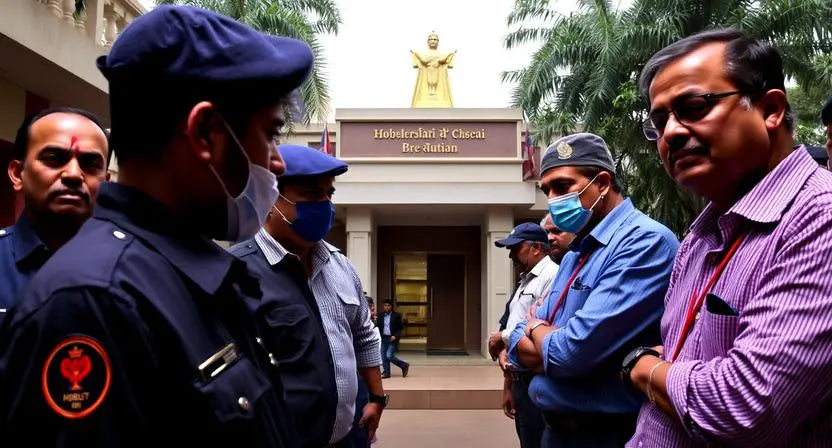
A special court in Hyderabad has convicted five individuals for running a concealed cash-conversion network during the period of demonetisation. According to case records, the group bypassed official banking procedures by using fabricated identification documents, improvised accounts and intermediaries willing to move high-value deposits without scrutiny.
How the illegal exchange network operated
Investigators found that the accused collected discontinued ₹500 and ₹1,000 notes from various sources and channelled them into the financial system. Instead of following regulated deposit routes, they relied on forged credentials and accounts opened under fictitious identities. These accounts saw sudden and unexplained cash activity, prompting further examination.
The scheme relied heavily on middlemen, who coordinated cash transfers and distributed commissions. The network also benefited from lapses in verification processes, allowing large deposits to slip through routine checks during a period of heightened financial monitoring.
Internal collusion and procedural breaches
The court noted that the operation could not have succeeded without cooperation from individuals familiar with banking procedures. These insiders allegedly facilitated irregular deposits and ensured the transactions were not immediately flagged, enabling the group to convert banned currency into legal tender undetected.
Court findings and sentencing
After reviewing evidence including digital trails, financial statements and witness accounts, the court convicted all five participants under charges related to forgery, cheating and criminal conspiracy. Penalties include imprisonment and fines, with the court emphasising that the offences undermined the intent of the demonetisation exercise and compromised financial oversight systems.
Why the case is significant
The conviction adds to the growing list of post-demonetisation prosecutions aimed at addressing fraudulent practices that surfaced during the currency transition. It also reinforces the need for stronger oversight mechanisms to prevent exploitation of policy-driven financial reforms, especially those involving large volumes of cash.
Enforcement agencies are expected to continue follow-up action on related cases, many of which involve networks that operated across multiple states.

Share:
Indian national linked to $1.18M US Medicare fraud; government pursues ₹9.8 crore recovery
Brussels raid uncovers suspected fraud at EU diplomatic training body